Sign Up and Get 10% Extra Discount
J
Jagdish Jan 15, 2026

The Clinical Efficacy of Vitamin E in Rheumatoid Arthritis

Abstract illustration of red inflammation turning into calm green waves

Quelling the Fire: The Clinical Efficacy of Vitamin E in Rheumatoid Arthritis

An evidence-based review of a promising intervention.
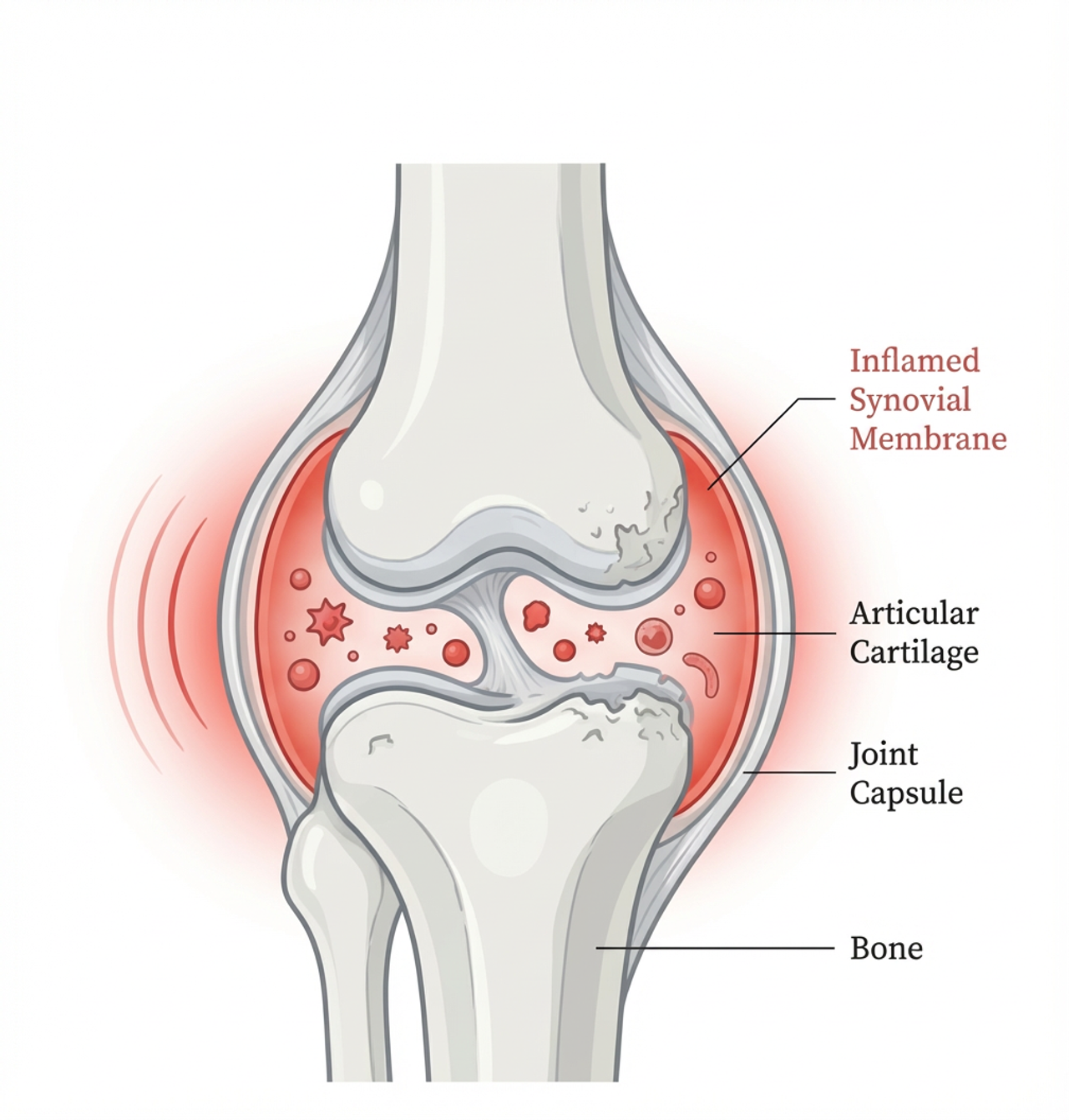
Diagram of inflamed synovial membrane in knee joint

The Chronic Challenge of Rheumatoid Arthritis

Rheumatoid Arthritis (RA) is an autoimmune disorder characterized by persistent systemic inflammation. For patients, this translates into a daily reality of:


Painful joints icon
Painful Joints: A constant, throbbing ache that limits mobility.
Swelling hand icon
Swelling & Tenderness: Visibly inflamed joints that are sensitive to the touch.
Systemic impact body icon
Systemic Impact: Inflammation that affects the entire body, leading to fatigue and other complications.

A Potential Ally Against Inflammation

A clinical trial was conducted to evaluate the efficacy of Vitamin E as a therapeutic agent for RA.
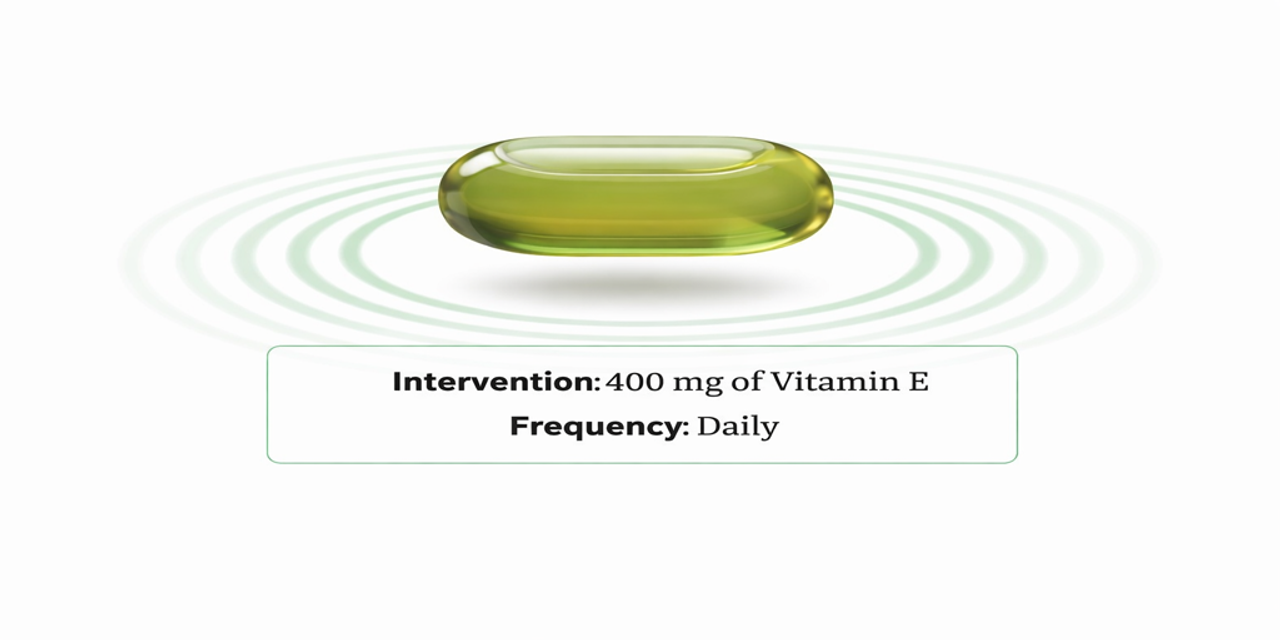
Vitamin E capsule with green ripple effects

The Intervention Delivered Significant Symptomatic Relief

Patients receiving Vitamin E experienced dramatic improvements in the primary physical symptoms of RA.

Touch icon 76% Improvement In tender joints
Knee pain icon 62% Improvement In painful joints
Swollen joint icon 61% Improvement In swollen joints

Biological Markers Confirm a Deep Anti-Inflammatory Effect

The physical improvements were mirrored by a significant reduction in key blood markers for systemic inflammation.

Pentagon icon representing CRP
Over 50% Reduction

In C-Reactive Protein (CRP), a primary marker for acute inflammation.

Test tube icon representing ESR
30% Reduction

In Erythrocyte Sedimentation Rate (ESR), indicating a decrease in chronic inflammation.

Vitamin E Outperforms the Control Group Across All Metrics

A direct comparison of the improvement scores between the Vitamin E and control groups reveals the intervention’s overwhelming efficacy. The chart shows the mean difference in scores before and after the test period.
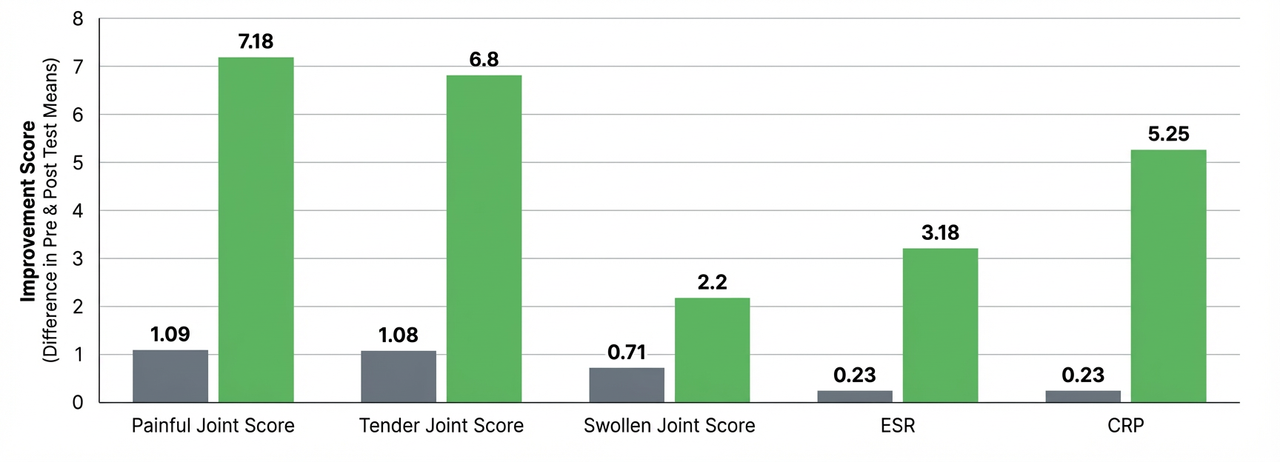
Comparison of Improvement: Vitamin E vs. Control
Control Group
Vitamin E group
Bar chart showing Vitamin E significantly outperforming Control Group in all metrics

Unpacking the Mechanism: How Vitamin E Works

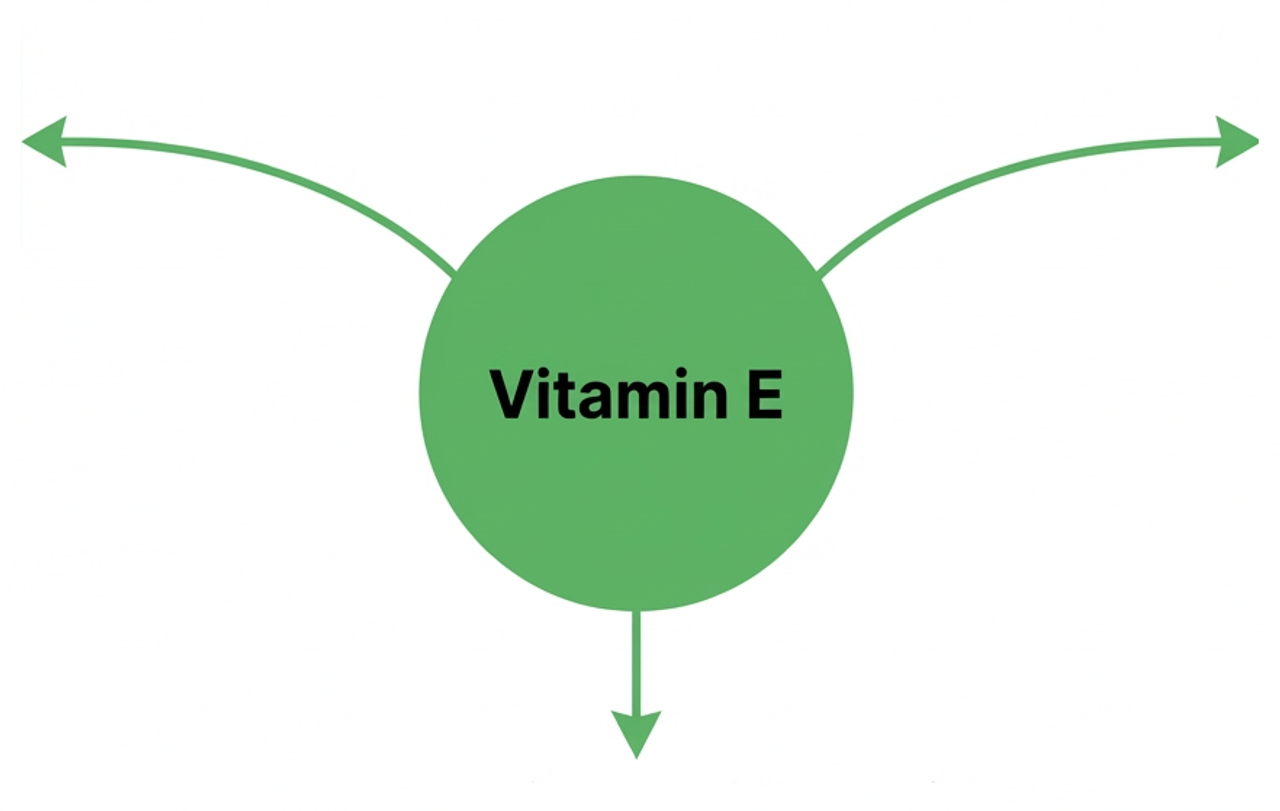
The clinical results are underpinned by Vitamin E’s multifaceted biological activity. Its efficacy stems from three primary pathways that directly counteract the pathology of Rheumatoid Arthritis.
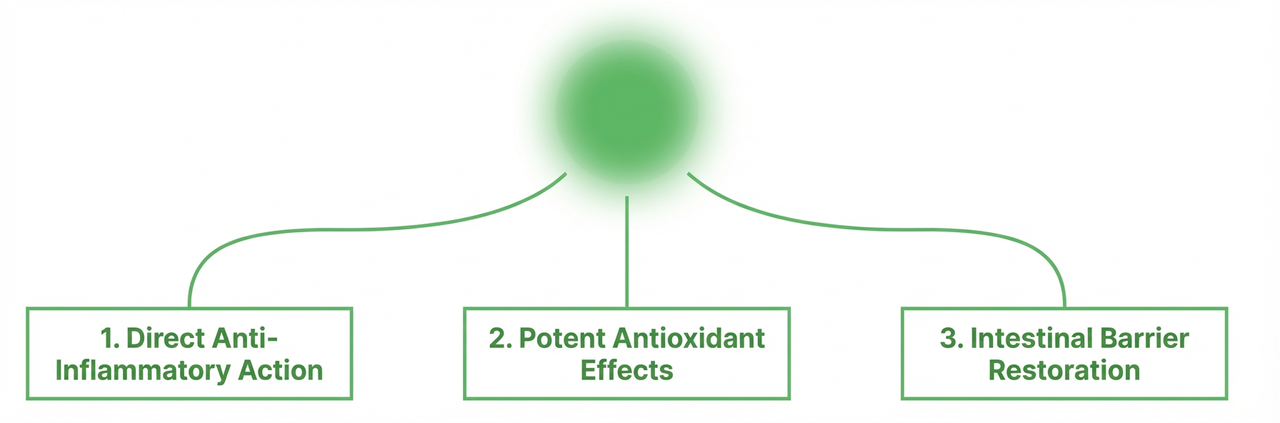

Diagram showing the three primary pathways of Vitamin E mechanism

A Three-Pronged Approach to Calming Inflammation

Anti-inflammatory icon
Anti-Inflammatory Effects
Functions via COX inhibition, a mechanism that directly interferes with the body’s inflammatory pathways, similar to some non-steroidal anti-inflammatory drugs.
Vitamin E Circle
Oxidative stress icon
Oxidative Stress Amelioration
Acts as a potent antioxidant, neutralizing the harmful free radicals that contribute to joint damage and perpetuate the inflammatory cycle in RA.
Intestinal barrier icon
Intestinal Barrier Repair
Helps to repair the intestinal barrier, which is often compromised in autoimmune conditions and can be a source of systemic inflammation.

A Compelling Case for Vitamin E in RA Management

The evidence demonstrates that 400 mg of daily Vitamin E:

  • Provides Major Symptomatic Relief: Drastically reduces patient-reported joint pain, tenderness, and swelling.
  • Reduces Systemic Inflammation: Confirmed by significant decreases in key biomarkers CRP and ESR.
  • Acts Through Clear Mechanisms: Works as a direct anti-inflammatory, a potent antioxidant, and a restorative agent for the intestinal barrier.

These findings position Vitamin E as a significant, evidence-backed complementary therapy in the holistic management of Rheumatoid Arthritis.

Logo

Diagnose To Cure

Premium, Natural Solutions for Your Health

+919501900927
diagnosetocure@gmail.com